
Services
Prosthodontist
Understanding What a Prosthodontist Treats
A prosthodontist focuses on rebuilding teeth and bite function when damage or loss goes beyond a simple filling or crown. Dr. Aro brings over 20 years of restorative experience to cases involving missing teeth, worn bite patterns, and full mouth reconstruction. If your case involves more than one tooth or affects how your jaw fits together, this is the right place to start.
Here’s the thing about tooth loss: it rarely stays simple. One missing molar shifts the teeth around it. A worn bite changes how your jaw muscles work. A cracked front tooth affects more than your smile; it can throw off how you chew on that side for years.
We see this every single week. Someone comes in thinking they need one crown, and the exam shows the bite has been compensating for months, sometimes longer. That’s the real work of prosthodontic care, looking at the whole mouth instead of just the one tooth that hurts.
When Prosthodontic Care May Help
- Missing teeth from extraction, injury, or long-term decay
- Worn or uneven bite patterns that affect chewing or jaw comfort
- Multiple damaged or failing teeth needing coordinated treatment
- Full mouth reconstruction after years of untreated dental issues
- Complex cases involving both function and appearance
Personalized Planning for Complex Cases
Dr. Aro builds a 3D scan of the bite and jaw before any work starts, and that matters more than people realize. You can't plan a bite correction by guessing how the teeth actually meet. The plan gets built around what your mouth is doing, not a generic template. Not sure if your situation counts as complex? That's a common question, and the next section walks through the signs worth paying attention to.
Signs You May Need Implant, Denture, or Full-Mouth Care
Most people don’t wake up thinking they need a prosthodontist. It usually starts with smaller signs, and then one day it isn’t small anymore.
We see this every single week here in San Luis Obispo. A patient comes in with a loose partial they’ve been wearing for years or a front tooth that’s finally given out after one too many repairs. So how do you know if what you’re dealing with needs this level of care?
01
Denture Slippage
A denture that slips when you talk or eat, even after adjustments
02
Missing Teeth
One or more missing teeth that changed how you chew or speak
03
Multiple Damaged Teeth
Multiple broken, worn, or heavily filled teeth in the same mouth
04
Jaw or Bite Pain
Jaw or bite pain that shows up after eating harder foods
05
Bone Loss or Gum Recession
Visible bone loss or gum recession around old bridges or implants
06
Smile Concerns
Feeling embarrassed to smile because of how your teeth look together
Here’s the thing: not every one of these needs full-mouth work. A single chipped tooth might just need a crown, and that’s a general dentistry fix, not a prosthodontic one.
But when several teeth are failing at once, or your bite has shifted enough that eating feels different, that’s a different conversation. We check the whole picture with a detailed scan before we ever talk about a plan. Often, patients are surprised how much is going on beneath what they can see in the mirror.
If your denture has needed three adjustments this year alone, that’s not normal wear. It’s a sign the fit, or the foundation underneath it, has changed.
When a General Dentist Is Enough
Not every dental problem needs a prosthodontist. Honestly, most don’t.
Got one cavity? A regular filling handles that. Need a routine cleaning, a single crown on a healthy tooth, or a basic checkup? Any general dentist in San Luis Obispo can do that job well, and there’s no reason to seek out specialty care for it. A prosthodontist trains for years beyond dental school specifically for complex restorative and replacement work, so bringing that level of expertise to a simple filling is overkill. It’s like hiring a structural engineer to hang a picture frame.
So when do things shift? The line usually shows up around missing teeth, worn-down bites, or restorations that already failed once.
01
Single-Tooth Treatment
One tooth needs a filling or a simple crown; nothing else going on
02
Routine Checkup
You're due for a routine cleaning or checkup
03
Early Cavity
A small cavity, caught early, no pain or spreading decay
04
Simple Extraction
A single tooth extraction with a straightforward healing path
If your situation matches any of those, save yourself the extra step and call your regular dentist first. But if you’ve already had a crown or bridge fail, or you’re missing more than one tooth, or your bite feels off no matter how many small fixes you’ve tried, that’s a different conversation. Those cases involve multiple moving parts, and they need someone who plans restorations the way a prosthodontist does. We see this distinction come up constantly. A patient thinks they need a full mouth workup, but really they just need a filling. Other times, someone’s had three small fixes over two years and never asked why the problem keeps coming back; that’s usually the bigger tell.
Need help with a prosthodontist?
Call now for a free estimate. Aro Dental Practice is ready to help.
From First Visit to Final Restoration: What to Expect
So what happens once you walk in? Nobody wants a mystery when it comes to their teeth, and we keep the process straightforward from day one.
Your first visit is mostly about listening and looking. Dr. Aro examines your bite, your gums, and whatever’s failing, whether that’s a cracked crown or a missing tooth that’s been bothering you for months. Our team takes detailed images to map out exactly what’s going on underneath the surface, not just what you can see in the mirror.
- Exam and 3D imaging to see bone structure and existing dental work
- A conversation about your options, including pros and cons of each path
- A treatment plan built around your bite, your goals, and how your mouth works
- Any prep work needed, like building up a tooth or addressing gum health first
- Fitting and adjusting the restoration until it feels right, not just looks right
- A follow-up to check how everything’s settling in
That middle step matters more than people think. We take the time to explain what a crown does versus a bridge and why one might fit your situation better than the other. You’re not signing off on something you don’t understand.
Some cases wrap up in a couple of visits. Others take longer, especially if there’s healing time involved between steps. Either way, you’ll know what’s coming before it happens; that’s the whole point.
How Prosthodontic Treatment Is Planned and Paid For
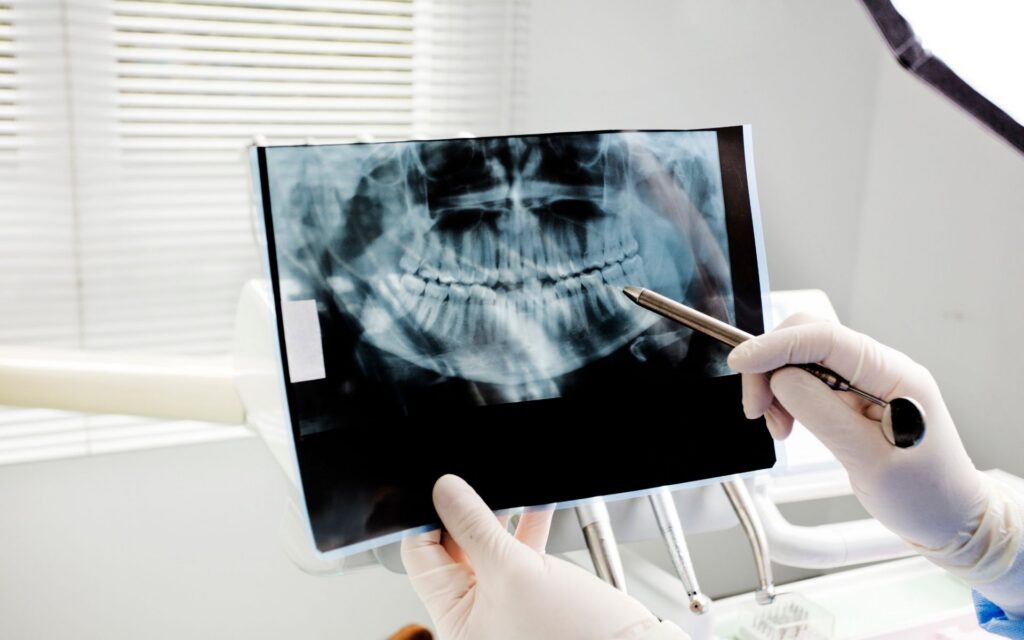
Good prosthodontic work starts with a plan, not a price tag. Dr. Aro maps your bite, bone, and gum tissue with detailed imaging before deciding on anything. That picture shows exactly what’s holding strong, what’s worn down, and what needs support. From there, we walk you through your options out loud, in plain language, so you understand the reasoning behind each recommendation.
So how does the cost side work? Prosthodontic pricing across the industry depends on a handful of factors, not a flat rate. More teeth involved means more lab time. Custom materials cost more than standard ones. And a case needing a specialist consult before final placement adds another layer.
- Number of teeth or arches being restored
- Type of material used for the prosthesis
- Amount of lab fabrication and adjustment time required
- Whether supporting treatment, like a bone graft, is needed first
- How many appointments the case takes to finish
We never guess at these numbers on the spot. Every treatment plan gets written out with the reasoning behind it. Ask about payment timing and insurance coverage before you agree to anything; that’s a fair question and we expect it. Most dental insurance covers a portion of prosthodontic work, though coverage varies a lot by plan. Financing arrangements are common in this field too.
One thing we tell every patient: the plan comes first; the payment conversation comes second. Rushing that order almost always leads to regret.
Common Questions
Frequently Asked Questions About Our San Luis Obispo Dental Practice
What's the difference between a prosthodontist and a regular dentist?
A prosthodontist has extra years of training beyond dental school focused on complex restorative work. Your regular dentist handles fillings, cleanings, and single crowns just fine. Dr. Aro steps in when the case involves several teeth working together, like missing teeth, a shifted bite, or a bridge that already failed once. Think of it like calling a specialist only when the job needs one. If you’re only dealing with one simple problem, your general dentist in San Luis Obispo is likely all you need.
What should I bring to my first prosthodontist visit?
Bring a list of your current medications and any recent dental x-rays if you have them. It also helps to bring your old denture or partial, even if it’s loose or broken, so Dr. Aro can see how it’s been fitting. Your first visit focuses on a bite exam and 3D imaging, so wearing whatever appliance you normally use gives us a clearer starting picture. Write down any questions ahead of time. Most patients forget half of them once they sit down.
How long does full mouth reconstruction take from start to finish?
Full mouth reconstruction usually takes several months, since it involves multiple steps done in order. First comes the exam and 3D scan, then any prep work like building up a tooth or treating gum issues. After that, restorations get fitted and adjusted until your bite feels right, not just looks right. A follow-up visit checks how everything is settling in. Simpler cases with just a few teeth move faster than a full reconstruction involving your whole bite.
How do I know if my denture problems are serious enough to see a prosthodontist?
If your denture has needed three or more adjustments this year, that’s a sign the fit or the foundation underneath has changed. Slipping while you talk or eat, even after adjustments, usually points to bone loss or a bite that’s shifted over time. We see this every week in San Luis Obispo: patients who assumed a quick fix would hold. A detailed scan shows what’s happening beneath the surface, so we can address the real cause instead of adjusting the same denture again.
Do I need a referral to see a prosthodontist in San Luis Obispo?
No, you don’t need a referral to book with a prosthodontist. Some patients come straight to us after noticing a loose partial or a bite that feels off, without seeing another dentist first. Others get sent our way after a general dentist spots a case involving multiple teeth or a failed bridge. Either path works. If you’re unsure whether your situation needs specialty care, the exam and bite scan at your first visit will make it clear.
What happens after my restoration is placed?
After your restoration is placed, we schedule a follow-up visit to check how everything is settling in with your bite. Your mouth needs time to adjust to a new crown, bridge, or denture, especially if multiple teeth were involved. Some patients notice minor changes in chewing during the first few weeks. That follow-up lets Dr. Aro catch small adjustments early, before they turn into bigger problems down the road.
Contact Us
Ready to Get Started?
Contact Dr. Ghassan Aro and our experienced team today to book your consultation or routine visit.
Address
1100 Grove St, San Luis Obispo, CA 93401
Hours
Mon – Fri: 8:00 AM – 4:00 PM Saturday – Sunday: Closed