
Services
Restorative & Full-Mouth Care
Warning Signs That Mean You Need Dental Care Now
Some dental problems wait. Others don’t.
Some dental problems can wait a bit. Others can’t. A little sensitivity to cold water after a cleaning is normal. A throbbing ache that jolts you awake at 2 a.m. is not. We hear this every week—people who gave it two weeks hoping it would fade, then called us in real pain.
So how do you tell the difference? Ask yourself whether the symptom is getting worse, staying the same, or already easing up. If it’s getting worse, you have your answer.
- Pain that throbs, keeps you up at night, or spikes when you bite down
- Swelling in your gum, cheek, or jaw, especially if it’s spreading
- A tooth that suddenly feels loose with no injury to explain it
- Bleeding gums that don’t stop after a few minutes
- A cracked or broken tooth with any visible nerve or sharp edge
- A bad taste or smell that won’t go away no matter how much you brush
Picture this
You bite into a sandwich, feel a sharp jolt on one side, and then nothing. That quiet afterward can actually be worse news—it sometimes means the nerve inside the tooth has died. Not always. But it's worth a same-week look, not a next-month one.
Swelling near the jaw deserves extra caution
San Luis Obispo summers run warm and dry, and dehydration can make swelling feel more intense than it actually is—patients notice this pattern around August. Even so, don't try to wait it out on your own.
When Tooth Sensitivity Can Wait Until Your Next Checkup
Here’s the truth: not every twinge means trouble. We hear this every week—someone bites into ice cream, feels a quick zing, and starts picturing a root canal in their future. Usually, it’s nothing that serious.
Mild sensitivity to cold, sweets, or air is often just worn enamel or a bit of gum recession. It comes, it goes, and it doesn’t tend to get worse fast. If the discomfort fades within a few seconds and only shows up with specific triggers, you can mention it at your next regular checkup instead of booking something sooner.
01
Mild, Short-Lived Sensitivity
Sensitivity only with very cold or very hot food, gone in a few seconds
02
No Signs of Serious Problems
No swelling, no visible dark spot, no pain when you bite down normally
03
Symptoms Stay the Same
It's been happening the same way for weeks without getting worse
04
Possible Habits
You can point to a habit, like grinding or brushing hard, that lines up with it
But watch for the shift. If that quick zing turns into a dull ache that lingers, or you start feeling it without any trigger at all, that’s different. And if one specific tooth hurts more than the others, don’t wait on that one.
So the short version: mild, brief, predictable sensitivity is a wait-and-mention issue, not a same-week problem.
What Happens At Your First Visit With Aro Dental Practice
So you booked the appointment. Now what? Most people walking in for the first time feel a little nervous, and that’s completely normal—we see it every week. Our goal for your first visit is simple: figure out exactly what’s going on in your mouth and explain it in a way that actually makes sense.
01
Health History
You'll fill out a short health history so Dr. Aro knows about any conditions or medications that matter for treatment.
02
3D Imaging
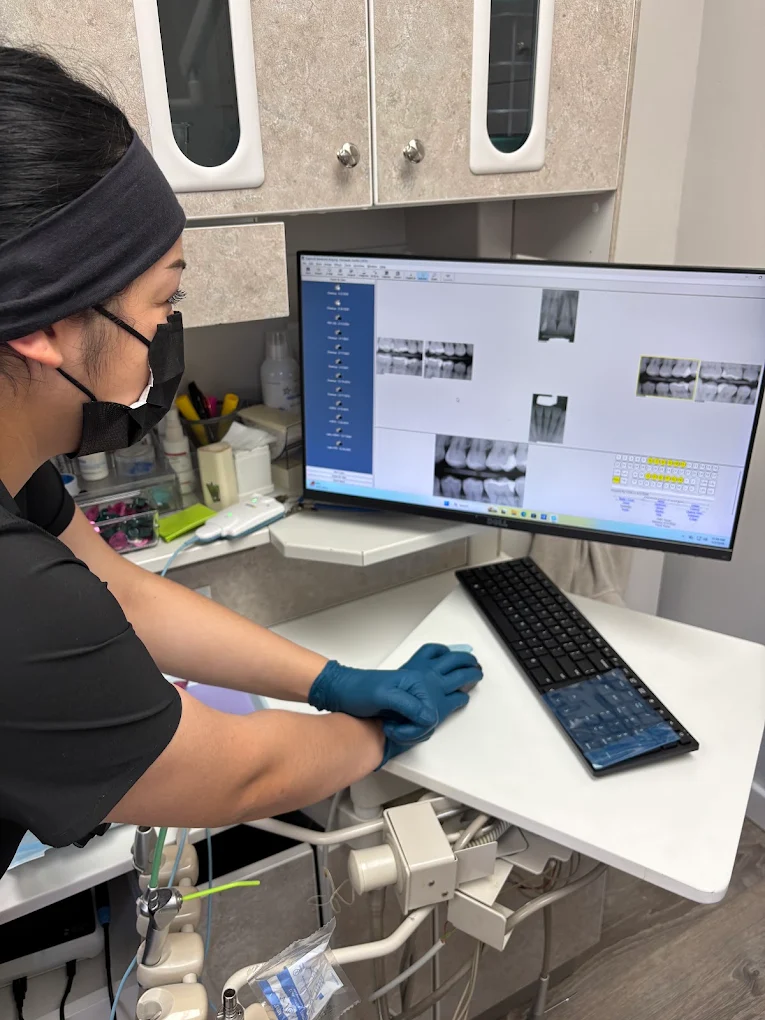
We take a look with 3D imaging, which gives us a clear picture of what's happening below the gum line, not just what's visible.
03
Clear Explanation
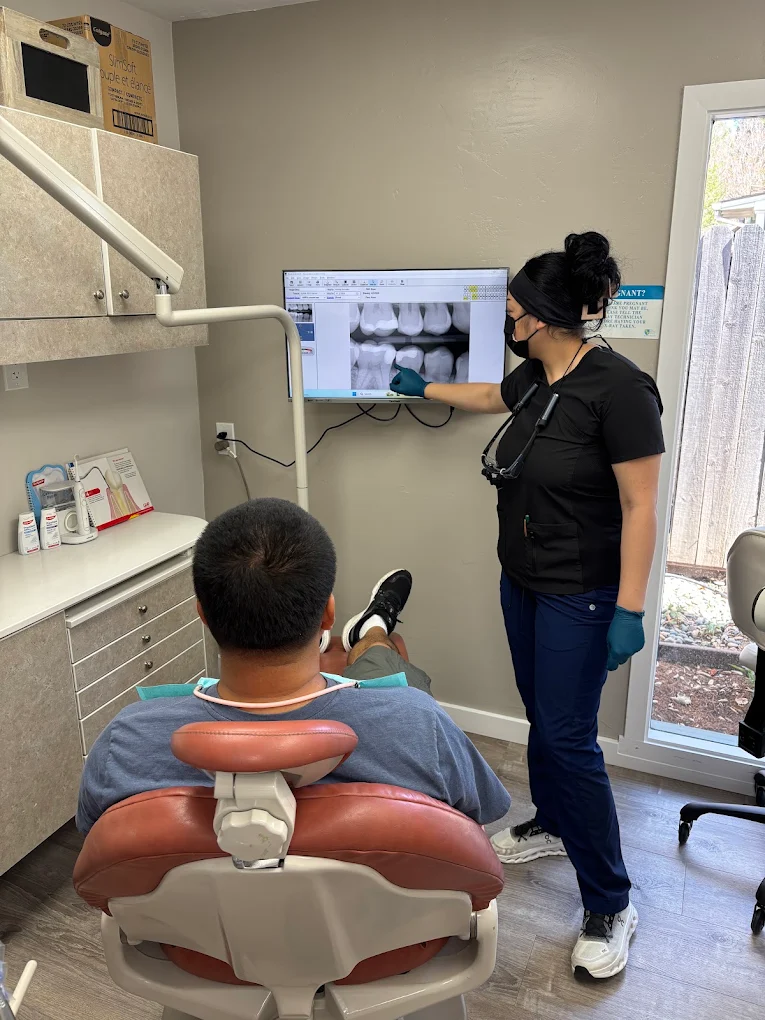
Dr. Aro walks through what he sees in plain language, with no jargon dump.
04
Treatment Options
We talk through your options together—pros, cons, timeline, all of it.
05
Personalized Plan
You leave with an actual plan, not a vague 'come back later.'
Here’s the thing: a lot of dental offices rush this part. We don’t. Dr. Aro has been practicing in San Luis Obispo since 2003, and one lesson that’s stuck with him is that patients make better decisions when they understand the why behind a recommendation, not just the what.
Maybe you’re coming in because a tooth has been bothering you for weeks. Maybe it’s just been a while and you know you’re overdue. Either way, the first visit is about clarity, not pressure.
You won’t get a sales pitch. You’ll get a real conversation about your teeth, your goals, and what makes sense for you specifically—your smile, your history, and your comfort level all factor in.
Thinking about a dental clinic? Let's talk.
Call now for a free estimate. Aro Dental Practice is ready to help.
New Patient Exams Timed to Cal Poly's Academic Calendar
San Luis Obispo runs on two calendars: the regular one and Cal Poly’s. When 20,000-plus students move in every September, our schedule fills up fast, so if you’re new to town, try to book your first exam before welcome week hits.
We see this every fall. Students wait until finals stress brings on jaw pain or a cracked filling and then call us in a panic during dead week. That’s the worst time to start with a new dentist—you want your first visit calm, not urgent.
- Late August, before classes start, works well for incoming students settling into San Luis Obispo
- Winter break in December gives returning students a quiet window with no class conflicts
- Early summer, right after finals, suits families wanting a checkup before travel season
- Spring quarter tends to book up fast, so plan a few weeks ahead if that’s your only option
Why does timing matter this much? Because your first exam sets the tone. Dr. Aro takes real time to walk through what he sees using 3D imaging, explain any concerns, and answer questions before recommending anything. That kind of conversation doesn’t happen well when you’re squeezed between an exam and a shift at work.
Parents dropping off a student for the year, this one’s for you too. Getting your student established with a dentist near campus before problems start beats scrambling for care from a few hundred miles away.
How Dental Treatment Costs Are Structured
Here’s something we tell every patient who sits in our chair: dental costs aren’t random. They follow a logic, and once you understand it, the whole process feels a lot less scary.
Most dental work gets priced by procedure, not by the hour. A filling costs different than a crown, and a crown costs different than an implant—simple enough. But within each category, the price shifts based on complexity. A cavity caught early is a quick fix. Wait two years and it might need a root canal instead. That’s the whole point of catching things early: less work, less time in the chair.
So what actually drives the number up or down? A few things, every time.
- How much decay or damage is already there, and whether it’s spread to the nerve
- Whether the tooth needs a simple restoration or a lab-made crown or bridge
- The type of imaging needed to plan the work correctly
- Whether one visit handles it or the treatment needs to happen in stages
- Any grinding, gum disease, or bite issues that complicate the plan
We use 3D imaging to map this out before we ever talk numbers. It shows us exactly what’s happening under the surface—no guessing. That’s how we build a plan that fits your mouth, not a generic template.
Before starting anything, ask your dentist what’s driving the cost and whether waiting will make it worse. A good office will walk you through the reasoning, not just hand you a bill.
Common Questions
Frequently Asked Questions
What should I bring to my first dental visit?
Bring a list of your medications and any dental records you have. You’ll also fill out a short health history when you arrive, so it helps to know your past conditions ahead of time. At your first visit, we use 3D imaging to see below the gum line and walk you through what we find. There’s no need to prepare anything fancy. Just come ready to talk about your teeth and ask questions. You’ll leave with a clear plan, not a vague follow-up.
What happens after my first exam?
After your exam, you’ll get a clear plan that explains what we found and what comes next. If something needs quick attention, we’ll tell you right away instead of leaving you guessing. For routine care, you’ll know your next checkup date before you leave. We walk through options together, including the timeline and what to expect, so nothing feels rushed. The goal is for you to leave understanding your mouth better than when you walked in.
When is the best time to book a dental exam in San Luis Obispo?
Late August, before Cal Poly classes start, is a smart window for new students settling into San Luis Obispo. Our schedule fills up fast once 20,000-plus students move in for the fall term. Winter break in December offers a quieter option with no class conflicts. Spring quarter books up quickly, so plan a few weeks ahead if that’s your only choice. Booking early means your first visit stays calm instead of squeezed between finals and work.
How do I know if my tooth pain is a dental emergency?
Pain that throbs, keeps you up at night, or spikes when you bite down usually means you need care now, not later. Swelling in your gum, cheek, or jaw is another sign, especially if it’s spreading. A tooth that suddenly feels loose, bleeding gums that won’t stop, or a cracked tooth with a visible nerve all count too. Ask yourself if the symptom is getting worse. If it is, that’s your answer. Call us instead of waiting it out.
Are sensitive teeth something I need to get checked right away?
Not always. Mild sensitivity to cold, sweets, or air is often just worn enamel or minor gum recession, and it usually fades within a few seconds. If it stays predictable and doesn’t worsen over weeks, you can mention it at your next regular checkup. Watch for changes though. If that quick zing turns into a lingering ache, or one tooth hurts more than the rest, that’s a sign to call sooner rather than waiting for your next visit.
Contact Us
Ready to Get Started?
Contact Dr. Ghassan Aro and our experienced team today to book your consultation or routine visit.
Address
1100 Grove St, San Luis Obispo, CA 93401
Hours
Mon – Fri: 8:00 AM – 4:00 PM Saturday – Sunday: Closed