
Services
Preventative & Periodontal Health
Signs Your Gums Need a Periodontist
Bleeding gums, breath that won’t quit, and teeth that feel loose are the big three warning signs. Catching these early is exactly why we push preventative care so hard, because gum disease stays quiet until it isn’t.
Your gums talk to you. Most people just haven’t learned to listen yet.
Bleeding when you brush is the one everyone brushes off. It shouldn’t happen, not even a little. Puffy, red, or tender gums usually show up before the bleeding does, so if your gums look shiny or feel sore, your body’s already waving a flag. We see this every week; patients assume it’s from brushing too hard when it’s actually early gum disease.
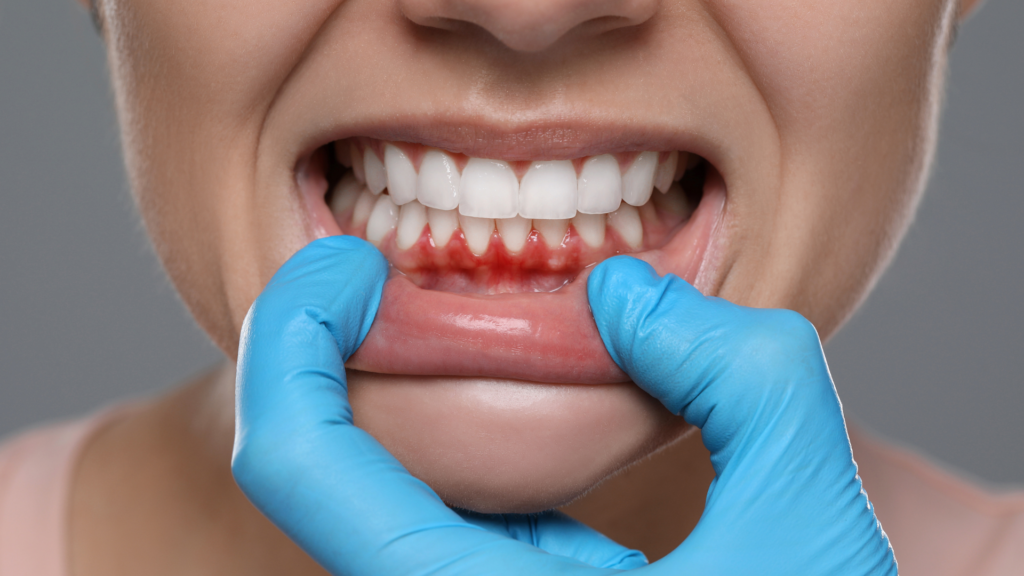
Signs You May Not Notice Right Away
Then there's the stuff that's harder to catch on your own.
- Gums that look like they’re pulling away from your teeth, making teeth appear longer
- Bad breath that comes back within an hour of brushing, no matter what you try
- Teeth that feel loose or shift slightly when you bite down
- A change in how your teeth fit together when you close your mouth
- Pus or tenderness around the gumline, especially near the back teeth
When Small Signs Should Not Be Ignored
Here's a scenario we hear a lot. Someone notices their toothbrush has a pink tinge every morning but figures it's normal since nothing hurts. Truth is, that's often the first visible sign of gum disease already taking hold below the surface.
None of these signs mean something’s permanently wrong. But waiting rarely makes any of them better on its own.
When a General Cleaning Is Enough
Not every gum problem needs a periodontist. Most don’t.
If your gums bleed a little when you floss but there’s no pain, no swelling, and no pockets deeper than 3 millimeters, a regular cleaning usually takes care of it. Plaque builds up, gums get a bit irritated, a good hygienist clears it out, and you’re back to normal. We see this every week: someone comes in worried they have gum disease because they saw pink in the sink, and it turns out they just need to floss more consistently and get a cleaning every six months like clockwork.
01
Mild Bleeding Only
Mild bleeding only during brushing or flossing, nothing spontaneous
02
No Persistent Bad Breath
No bad breath that lingers no matter what you do
03
Healthy-Looking Gums
Gums look pink and firm, not puffy or dark red
04
Stable Teeth
No teeth feel loose or shifted
05
Regular Checkups
You've kept up with regular checkups and nothing's changed
If that’s your situation, don’t let anyone talk you into more than a cleaning. A hygienist polishes things up, your dentist checks pocket depths at your regular visit, and that’s that.
But if bleeding shows up out of nowhere, or your gums have started pulling away from your teeth, that’s a different conversation. So is persistent bad breath that toothpaste can’t touch.
What Happens During a Periodontal Exam and Diagnosis
So what actually happens once you’re in the chair? Nothing scary, we promise. A periodontal exam is mostly measuring and looking, not drilling.
Dr. Aro checks your gums the way a mechanic checks tire tread. He measures depth around each tooth with a tiny probe, looking for pockets where gum has pulled away from bone. Healthy pockets measure shallow. Deeper pockets usually mean the bone underneath has started to wear down, and that’s the real thing we’re trying to catch early.
01
Gum Health Evaluation
We look at your gum color, texture, and whether they bleed easily during probing.
02
Pocket Depth Measurements
We measure pocket depth around every tooth, not just the ones that hurt.
03
Tooth Stability Check
We check for loose teeth or shifting, which can signal bone loss underneath.
04
3D Imaging
We use 3D imaging to see bone levels that a regular X-ray can miss.
05
Health History Review
We review your health history, since things like diabetes affect healing and gum disease risk.
That 3D imaging piece matters more than people expect. A flat X-ray can hide bone loss on the side of a tooth you can’t see from the front. The 3D scan gives Dr. Aro a fuller picture before he ever talks treatment options with you.
Some patients come in because a cleaning felt sore for the first time; others notice a tooth looks a little longer than it used to. Either one is worth mentioning at the exam.
Once everything’s measured, Dr. Aro sits down with you and explains what the numbers mean in plain language, not dental jargon. You’ll know your pocket depths, your bone situation, and what your options look like before you leave. No pressure to decide on the spot; that part’s yours to take home and think over.
Have questions? We're happy to help.
Call now for a free estimate. Aro Dental Practice is ready to help.
Scaling, Root Planing, and Gum Graft Procedures Explained
So what does gum treatment look like once you’re past the exam? Most cases start with scaling and root planing, a fancy name for a deep clean below the gumline that a regular cleaning can’t reach. We use hand instruments and ultrasonic tools to clear out buildup on the tooth root, then smooth the root surface so gum tissue can reattach. It’s usually done in sections, one side of the mouth at a time, with numbing so you stay comfortable.
Nine times out of ten, that deep clean is enough to stop the disease from getting worse. The gums calm down, the pockets shrink, and the bleeding stops.
- Scaling and root planing: removes hardened plaque and bacteria from below the gumline and smooths the root
- Gum graft: adds tissue to spots where the gum has pulled back and exposed the tooth root
- Follow-up maintenance cleanings: spaced closer together than a normal checkup to keep bacteria from rebuilding
A gum graft is a different animal, reserved for spots where the gum tissue has already receded, not just inflamed. We take a small piece of tissue, usually from the roof of the mouth or a donor source, and place it over the exposed root. It’s more involved, and it’s not something we jump to first. We only recommend it when recession is bad enough to risk the tooth’s root or its stability. Recovery takes a bit longer than a deep clean, but most people describe it as manageable, not painful.

How Periodontal Treatment Costs Are Determined
Periodontal treatment isn’t one flat fee. It’s built from several moving parts, and once you know what they are, the whole thing makes a lot more sense.
The biggest factor is how deep the gum pockets are and how much bone or tissue damage we’re dealing with. A patient with mild inflammation needs a different level of care than someone with advanced bone loss. We’ve had patients surprised that two people with the same symptoms end up with different treatment plans, but that’s just how individual gum disease can be.
- Whether the treatment is nonsurgical, like deep cleaning, or requires a surgical approach
- The number of teeth or areas affected
- How many visits the plan calls for
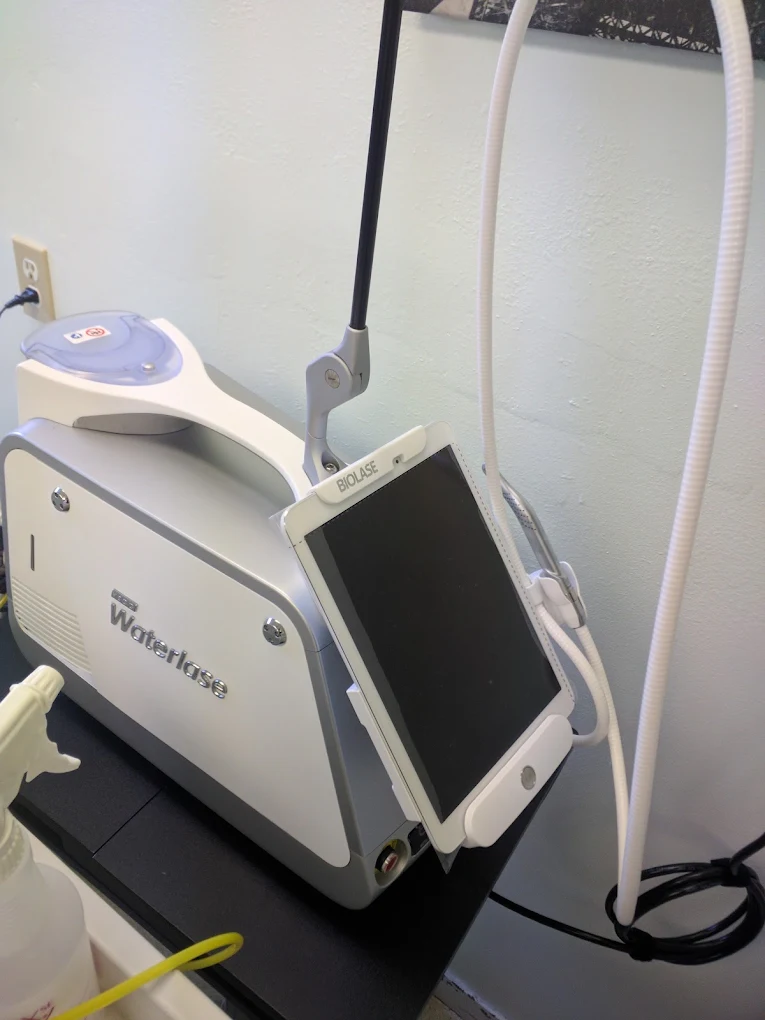
- Whether imaging or laser technology is part of the diagnosis and treatment
- Any follow-up maintenance needed to keep results stable
Insurance coverage plays a role too. Some plans cover a portion of periodontal therapy but treat it differently than a routine cleaning, so it’s worth asking your provider to walk through what’s classified as preventive versus treatment-level care before you start. Before agreeing to any plan, ask what’s included in each visit and what might come up later. That question alone saves a lot of confusion down the road.
None of this means guessing. A proper exam, including 3D imaging where needed, gives us a clear picture first. From there, we walk you through the plan step by step: no surprises, no pressure to decide on the spot.
Common Questions
Frequently Asked Questions
What should I expect at my first periodontal exam in San Luis Obispo?
Your first visit is mostly measuring and looking, not drilling. Dr. Aro checks the depth around each tooth with a small probe to find pockets where gum has pulled away from bone. He also uses 3D imaging, which shows bone levels a flat X-ray can miss. Afterward, he explains your pocket depths and bone situation in plain language. You leave knowing your options, with no pressure to decide anything that same day.
How do I know if I need a periodontist instead of just a cleaning?
If your gums only bleed a little during flossing and pockets stay under 3 millimeters, a regular cleaning usually fixes it. Watch for different signs, though. Bleeding that shows up without warning, gums pulling away from your teeth, or bad breath that won’t go away after brushing are signals worth a real exam. Loose or shifting teeth are another red flag. Those situations call for a periodontal evaluation, not just a standard hygiene visit.
What happens after scaling and root planing?
After a deep clean, your gums should calm down and pockets should start shrinking within a few weeks. Scaling and root planing removes hardened plaque from below the gumline and smooths the tooth root so gum tissue can reattach. It’s usually done in sections, one side of the mouth at a time, with numbing for comfort. Nine times out of ten, this deep clean is enough to stop gum disease from progressing further without needing surgery.
Do I need a referral to see a periodontist in San Luis Obispo?
No, you don’t need a referral to book a periodontal exam in San Luis Obispo. You can call directly if you’re noticing bleeding gums, persistent bad breath, or teeth that feel loose. Many patients come in on their own after a dentist mentions a concern at a routine checkup, but plenty also book because something felt off at home. Either path works, and the exam itself starts the same way regardless of how you got there.
How long does recovery take after a gum graft?
Gum graft recovery takes longer than a deep clean, but most patients describe it as manageable rather than painful. The procedure covers exposed tooth roots with a small piece of tissue, usually from the roof of the mouth or a donor source. It’s reserved for cases where the gum has already receded enough to threaten the root or the tooth’s stability. Your gums need time to heal and reattach, so following aftercare instructions closely matters during the first couple weeks.
Contact Us
Ready to Get Started?
Contact Dr. Ghassan Aro and our experienced team today to book your consultation or routine visit.
Address
1100 Grove St, San Luis Obispo, CA 93401
Hours
Mon – Fri: 8:00 AM – 4:00 PM Saturday – Sunday: Closed